3
Living Hope
After the Building Hope phase, clients continue on to the Living Hope phase. They move into a recovery house with peers and begin part-time employment. They attend IOP in the mornings (starting at 4 days/week and tapering to 3), attend recovery meetings, and follow a curfew. Toward the end of this phase, clients work with House of Hope’s employment services team to secure full-time jobs.
DURATION
4 months
FOCUS
Planning → Action
SETTING
Living Hope Sober Houses (new phase)
GOALS
Transition to independent living, develop employment and life skills
SERVICES
IOP & Individual Psychotherapy, Peer Support, Case Management via Medicaid
HIGHLIGHTS
Clients may work part-time, two dedicated recovery residences
Frequently Asked Questions
Individuals who complete the Building Hope program and choose to continue through our full continuum of care.
Yes. Clients may work part time as long as it does not interfere with their treatment schedule, which includes four groups per week.
No. Rent is not required for participation in the program.
Clients attend four 2.5-hour groups each week and meet individually with their counselor per their treatment plan. Outside of treatment hours, clients may work part time, exercise, or engage in recovery-supportive activities.
We offer employment services, financial literacy support, and ongoing recovery-focused guidance to help clients build stability and independence.
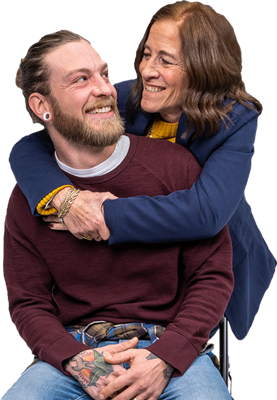
We’re Very Blessed That we Still Have Jerry.
“I had to know everything I could about my son and his addiction. I learned that it is not my fault but I can be there for him. At the House of Hope Jerry learned how to be a sober, responsible citizen and become the person he was meant to be. This is the son I raised.”
Mary M.